Best Running Shoes 2026
Choosing running shoes in 2026 is harder than it should be. Foam names change, fits vary by model, and reviews rarely match your foot. If you’re juggling daily runs, long runs, or light trails, the wrong pair shows up fast as hot spots and blisters. This article helps you narrow it down.
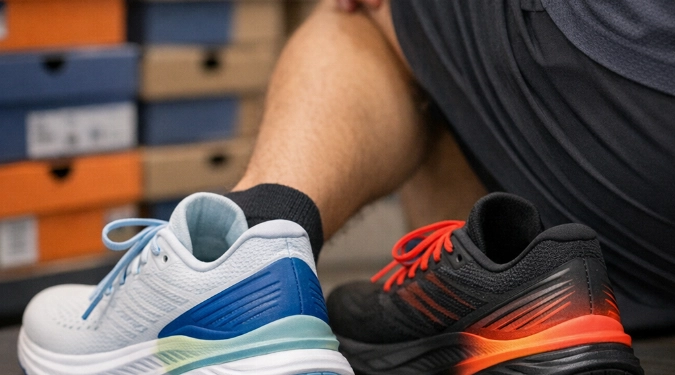
Pick the right pair faster with a simple fit test, a use-case match, and a shortlist of standout 2026 models. You’ll learn what to check for stability, cushioning, and grip. This guide also flags common sizing traps and shows how to rotate pairs to stay durable.
Start With A Two-Minute Fit Test
Do these checks at home with the socks you run in. They prevent most bad buys.
- Thumb gap: Leave about a thumb’s width in front of your longest toe.
- Heel lock: Walk fast and jog in place. Your heel should not lift or rub.
- Midfoot hold: Lace snug, then try to slide your foot sideways. You should feel resistance without pinching.
- Toe splay: Stand and spread your toes. The upper should not crush your forefoot.
If you use inserts, bring them. Swap them in before judging volume and arch feel.
Match The Shoe To Your Runs
Most runners do best with two pairs. One handles daily miles. The other covers speed or long runs.
Daily Miles
Look for durable foam, stable geometry, and a rubber outsole with real coverage. A sweet spot price is $140 to $180.
Long Runs
Prioritize softer cushioning and a rocker that helps late-run fatigue. Many max-cushion trainers sit at $160 to $210.
Speed Days
Choose lighter weight and a snappy midsole. Plates can help, but only if your form stays controlled.
Light Trails And Park Paths
Use moderate lugs and a tougher upper. Road shoes slip on wet roots and loose gravel.
2026 Shortlist By Category
These models are reliable starting points. Try them on, then pick the one that fits your foot shape.
- Stable daily trainer: ASICS GT-2000 13 or Brooks Adrenaline GTS 24.
- Soft max cushion: HOKA Bondi 9 or Brooks Glycerin 22.
- Balanced all-rounder: Saucony Ride 18 or ASICS Novablast 5.
- Speed trainer: Saucony Endorphin Speed 4 or ASICS Magic Speed 4.
- Carbon race option: ASICS Metaspeed Sky Paris or Saucony Endorphin Pro 4.
- Door-to-trail: Salomon Sense Ride 5 or HOKA Challenger 7.
If you want familiar brand fits, compare nike Pegasus and adidas Adizero Boston lines first. If you like roomy toes, try new balance 1080 and More series.
What Matters Most For Heel Fit
Heel support comes from shape, not just padding. A firm heel counter helps, but only if it matches your Achilles line. A flared heel can add stability on landings. It can also feel clunky if you overstride.
Try a runner’s loop lace. It often fixes lift without sizing down. If lift remains, the shoe’s heel geometry is wrong for you.
Comfort Signals That Predict Regret
Ignore the “break-in” myth for modern foams. You should feel easy comfort in the first minute.
- Numb toes or tingling means the forefoot is too tight or laced poorly.
- Hot spots on the arch often mean the midfoot is too narrow.
- Shin pressure can come from a stiff tongue or bad lace bite.
Bring the shoe to a small incline. Walk down it. If your toes slam, the size or lacing is off.
How To Shop Smarter In 2026
Start with your current pair. Photograph outsole wear and upper creases. Bring that evidence to a specialty run shop. Ask to compare two widths if offered.
Use your phone timer for a five-minute indoor test. Include brisk walking, light jogging, and lateral shuffles. Keep notes on heel hold, toe room, and midfoot pressure.
Plan rotation from day one. Alternate two pairs to extend foam life and reduce repetitive stress. Replace daily trainers around 300 to 500 miles. Retire sooner if the midsole feels flat.
FAQ That Helps You Decide Faster
Are Carbon Plates Worth It For Most Runners?
They can feel fast, but they also change loading patterns. Use them for key workouts or races. Keep a normal trainer for most mileage.
Should You Size Up For Swelling?
Many feet swell slightly on longer runs. A bit more toe room helps. Do not size up if your heel starts slipping.
Do “Lifestyle” Sneakers Work For Running?
Most casual sneakers lack tuned foam and outsole geometry. They can feel fine for short jogs. Use purpose-built running shoes for regular training.
Disclaimer: The information provided in this article is for educational and informational purposes only. It does not constitute professional advice. Readers should conduct their own research and consult with qualified professionals before making any decisions.