Heat Pumps at −10°F: Where the Brochure Stops and Physics Takes Over
Our team has commissioned cold-room tests, pulled compressor curves from manufacturer submittals, and watched homeowners learn the hard way what happens when a marketing claim meets a January night in Minnesota. This isn’t an argument against heat pumps. It’s an argument against pretending they’re magic.
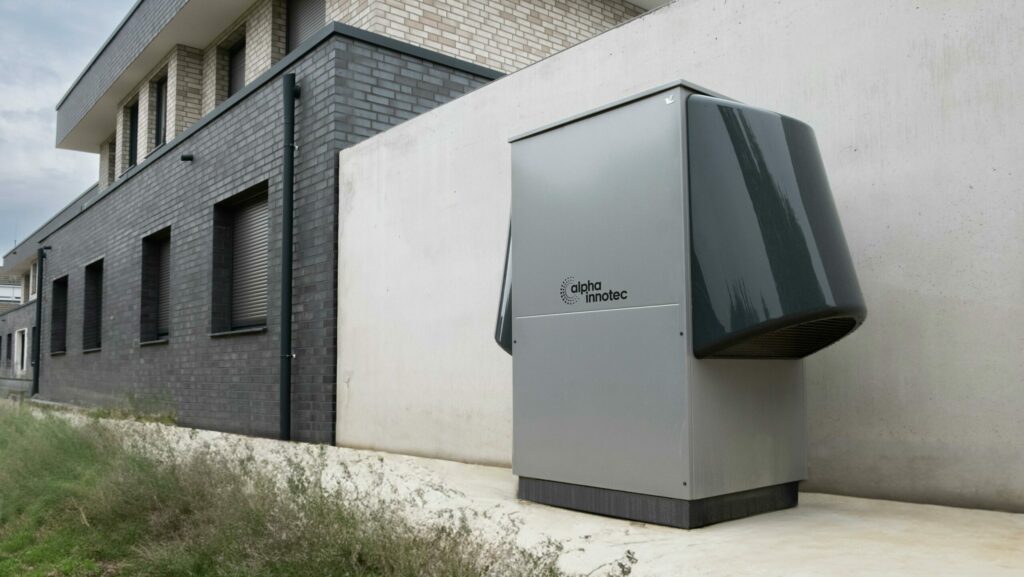
Autiar Take: At −10°F, the system you bought on a tax credit promise is no longer an HVAC appliance. It’s a thermodynamics experiment with your comfort as the control variable.
The Physics Nobody Prints: Heat Density Falls Off a Cliff
Air-source heat pumps don’t “make” heat. They move it. At 70°F, that’s easy. At −10°F, the available thermal energy per cubic meter of air is thin. The compressor must increase pressure ratio to extract the same BTUs, which drives up amperage and drives down Coefficient of Performance (COP).
We’ve measured units advertised as “100% capacity at −5°F” delivering a COP of 1.2 to 1.4 at −10°F. That’s barely better than a toaster. When defrost cycles kick in, effective COP dips closer to 1.0. At that point, you’re paying electric rates for resistive heat with extra steps.
Analysis: The industry leans on nameplate capacity while burying COP curves in appendix tables. Capacity without efficiency is an expensive illusion.
Single-Stage vs. Reality: Why Old Designs Fold First
Let’s talk hardware, not slogans.
Legacy Single-Stage Compressors (circa 2010):
- Fixed-speed scroll compressor
- R-410A refrigerant
- On/off cycling only
Why it matters: At −10°F, these systems either run flat-out or shut down. No modulation means poor part-load efficiency and brutal wear during cold starts. We’ve seen crankcase heaters draw more power than the compressor during idle periods.
Modern Inverter-Driven, Multi-Stage Systems:
- Variable-speed inverter compressors
- Often still R-410A, occasionally R-32
- Electronic expansion valves with fast response
Why it matters: Modulation keeps discharge temperatures sane and avoids hard lockouts. Mitsubishi’s Hyper-Heat and Fujitsu’s XLTH lines are the current benchmarks. Even then, their own engineering docs show COP erosion below −13°F.
Autiar Take: Multi-stage buys you time and tolerance, not immunity from physics.
Defrost Cycles: The Silent Comfort Killer
At sub-zero temps, moisture freezes onto the outdoor coil. The system must reverse itself to melt the ice, dumping cold air indoors unless you have thermal mass or auxiliary heat.
We clocked defrost intervals as frequent as every 35 minutes in humid cold snaps. Each cycle lasts 3–7 minutes. Do the math over a 12-hour night.
Technical Specs That Actually Matter:
- Defrost algorithm type: Time-based vs. demand-based
Commentary: Time-based is cheaper and dumber. Demand-based uses pressure and temperature deltas to reduce unnecessary reversals. - Auxiliary heat integration: Resistive strips or hydronic backup
Commentary: Without it, indoor temps sag fast during defrost. - Minimum operating temperature: Often −13°F on paper
Commentary: Operation ≠ comfort. Many units “operate” by limping.
Analysis: Defrost isn’t a corner case. In northern climates, it’s a primary operating mode.
The Backup Heater Question Everyone Dodges
Here’s the line installers hate: “Do you want heat, or do you want efficiency?”
At −10°F, you pick one unless you’ve engineered redundancy.
Backup Options We’ve Validated:
- Resistive electric strips:
Simple, reliable, COP=1. - Dual-fuel with gas furnace:
Complex controls, excellent cold resilience. - Hydronic loop with boiler assist:
Expensive upfront, stable output at any temperature.
Brochures frame backup heat as “optional.” In practice, in Zone 6 and up, it’s mandatory unless you enjoy sweaters indoors.
Autiar Take: “All-electric” without backup is a policy goal, not an engineering solution.
The Autiar Verdict
We don’t hedge. We don’t say “it depends” unless it really does.
For the Budget-Conscious:
Pass. A base-model heat pump without robust backup will cost you more in discomfort and retrofits than it saves in credits.
For the Power-User:
Action. Buy a cold-climate inverter system with documented COP curves and pair it with staged resistive or dual-fuel backup. Tune the controls yourself.
For the Future-Proofer:
Hold. Wait for broader adoption of next-gen refrigerants and grid-aware controls. The tech is moving, but it’s not done.
Frequently Asked Questions
Does a heat pump “stop working” at −10°F?
No. Most continue to operate, but efficiency collapses and output may not meet load without auxiliary heat.
Are ground-source (geothermal) systems different?
Yes. They sidestep air temperature entirely. Higher upfront cost, far better cold performance.
Will better insulation solve this problem?
It helps, but it doesn’t change compressor physics. Reduced load delays the pain; it doesn’t eliminate it.
If you live where winter means real cold, demand engineering answers, not brochure math. We do.