Hot vs. Cold Water: How Each Really Affects Your Body
Hot vs. cold water can change how your body feels in the moment—how quickly you drink, how your stomach responds, and how comfortable hydration is during meals, workouts, or your morning routine. This article breaks down what temperature can realistically influence (comfort, sipping speed, short-term vessel response) and what it can’t (spot fat loss or dramatic calorie burn). You’ll also get practical guidance on using fridge-cold water safely and conveniently, including filter and hygiene habits for dispenser systems.
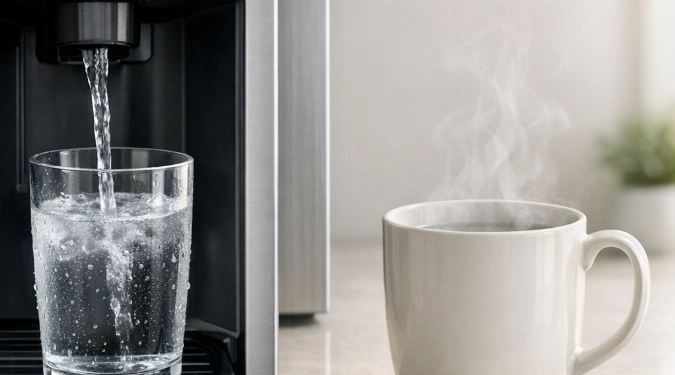
Water temperature sounds like a tiny choice, but it changes how drinking feels in your mouth, how fast you drink, and how your stomach and blood vessels respond. Hot vs. cold water isn’t about “better” or “worse”—it’s about matching the temperature to what your body is doing right now.
What Changes In Your Body When Water Is Hot Or Cold
The first effects are local: cold water can numb the mouth and throat slightly, while warm water can feel soothing and may encourage slower sipping. After that, your body works to keep its core temperature steady—so any temperature-related changes are usually short-lived for healthy adults.
Cold exposure in the mouth and upper digestive tract can briefly tighten blood vessels and may feel “bracing.” Warm water often does the opposite sensation-wise, supporting relaxation and comfort, especially first thing in the morning or during a wind-down routine.
Digestion, Comfort, And When Temperature Matters Most
Warm water is often chosen for comfort during a heavy meal because it can feel gentler on the stomach. Cold water can feel refreshing, but some people notice it increases cramping or “tight” sensations during or right after eating—especially if they’re prone to reflux or sensitive digestion.
If you’re exercising, cold water may feel easier to tolerate and can help you drink enough, which matters far more than the temperature. During intense heat, cooler fluids can be more pleasant, helping you maintain hydration habits.
Cold Water, Metabolism, And What The Science Can And Can’t Promise
The idea behind Cold Water for Weight Loss is simple: your body warms the water, which uses energy. That energy cost exists, but it’s modest—think “small nudge,” not a dramatic change. Weight change still comes primarily from overall eating patterns, movement, sleep, and consistency.
Similarly, conversations about Drinking Cold Water and Belly Fat often oversimplify things. Cold water doesn’t target fat in one area. What it can do is support hydration, help some people feel more alert, and occasionally reduce the urge to snack if thirst was being mistaken for hunger.
Warm Water, Appetite, And Sustainable Weight Habits
Warm Water for Weight Loss is usually discussed in the context of routine: warm water can encourage slower drinking, may feel calming, and can pair well with mindful eating. If warm water helps you replace sugary drinks or keeps you steady between meals, it can indirectly support a calorie deficit.
Warm water is also commonly used to support regularity and comfort. If constipation or bloating makes you feel “stuck,” warm fluids may help you feel more settled—though fiber intake, overall fluids, and daily movement usually matter more than temperature alone.
Cold Water From The Fridge: Convenience, Safety, And Real-World Tradeoffs
For many households, the biggest driver is convenience: Drinking Cold Water from Fridge is easy, consistent, and makes it more likely you’ll drink enough throughout the day. If that’s the temperature you enjoy, that preference can be a real advantage.
If you store a bottle in a Cold Water Fridge, the key is cleanliness: wash reusable bottles daily, and don’t “top off” yesterday’s bottle without rinsing. For built-in systems, a Refrigerator with Cold Water Dispenser can be helpful, but it also requires basic upkeep—changing filters on schedule (often every six months, depending on the manufacturer and water quality) and cleaning the dispenser area to reduce residue and odors.
Quick Comparison: Hot Vs. Cold Water For Common Goals
| Situation | Cold Water Often Feels Better | Warm/Hot Water Often Feels Better |
|---|---|---|
| After a workout | More refreshing; may help you drink more | Comforting if you’re chilled post-training |
| With meals | Fine for many people; some feel “tight” or bloated | Can feel gentler and support slower eating |
| Morning routine | Good if it wakes you up and you’ll actually drink it | Often soothing; pairs well with calm, steady mornings |
| Weight-supportive habits | Small calorie burn to warm it; helps replace sweet drinks | May reduce stress-eating by supporting a slower pace |
FAQs About Hot Vs. Cold Water
Is Cold Water Bad For You?
For most healthy adults, cold water is safe. Some people with sensitive digestion, dental sensitivity, or certain swallowing issues may find it uncomfortable. The “best” choice is the one that keeps you consistently hydrated without unpleasant symptoms.
Does Drinking Hot Water Detox Your Body?
Your liver and kidneys do the work of processing waste; water supports that by maintaining blood volume and urine output. Hot water may feel soothing and can support routine, but it doesn’t “flush toxins” in a special way compared with room-temperature water.
Does Cold Water Help You Burn Calories?
Yes, slightly—your body warms it to core temperature. But the effect is typically small. If cold water helps you drink more and swap out sugary beverages, that habit shift can matter more than the warming effect itself.
What Temperature Is Best If I Have Heartburn?
Responses vary. Many people prefer room-temperature or warm water because it feels gentler. If cold water seems to worsen discomfort after meals, try warmer fluids and smaller, slower sips to see what feels best.
Conclusion
Hot vs. cold water affects your body mainly through comfort, drinking pace, and short-lived temperature responses—not magic metabolism switches. Cold water can be refreshing and habit-friendly; warm water can be soothing and supportive for slower routines. The most effective choice is the one you’ll drink consistently, day after day.
Disclaimer: The information provided in this article is for educational and informational purposes only. It does not constitute professional advice. Readers should conduct their own research and consult with qualified professionals before making any decisions.