Life of Ferdinand Piëch
Ferdinand Piëch is often blamed or credited for how modern car groups operate. If you’ve heard the myths but not the sequence, it’s hard to judge his real impact. This article is for readers who want the clean timeline, the key cars, and the boardroom context without fanfare.
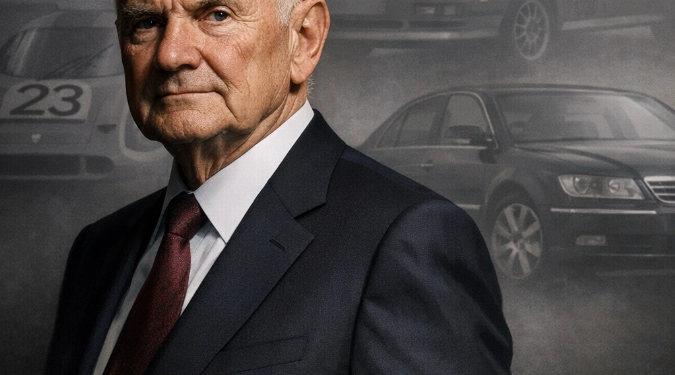
Follow Ferdinand Piëch’s moves from engineering prodigy to feared auto boss. Learn which cars he shaped, what power plays he used, and why his management style still echoes today. Use the timeline and reading list to study his playbook with purpose.
Why Piëch Mattered To Car People
Piëch was not a mascot executive. He was a technical driver of decisions. He turned engineering into leverage inside boardrooms. He also made product programs into political weapons. Many modern leadership debates in car companies trace back to his methods.
Family Roots And The Need To Prove It
He was born into the Porsche-Piëch family. That name opened doors and raised suspicion. He studied engineering in Zurich, not a finishing-school business track. Early on, he wanted measurable wins. He chased lap times, durability, and production numbers.
The Porsche Years That Built His Reputation
At Porsche, he pushed racing-derived engineering into road cars. His signature early proof was the Porsche 917 project. The car became dominant in endurance racing. The bigger lesson was his intensity. He demanded results and tolerated little dissent.
Audi: The Laboratory For Bold Bets
Piëch moved into the wider group and took major responsibility at Audi. He backed quattro all-wheel drive when it looked risky. He used motorsport to validate it fast. Rally wins turned into sales credibility. He also raised interior quality and body rigidity targets.
Products That Carried His Fingerprints
Look at the Audi Quattro, the Audi 100, and later the aluminum-intensive A8. Each program mixed engineering novelty with brand positioning. He treated technology as marketing that could be measured. He also pushed diesel development hard. That included TDI as a brand-level promise.
Running The Empire At VW
At VW, he became the central power figure. He focused on platforms, scale, and brutal cost control. He set “must hit” targets for gap and finish. He also obsessed over door thud and panel alignment. Suppliers learned that tolerances were not negotiable.
The Phaeton And The 1,000 Meter Rule
One famous internal demand was extreme cabin comfort. The story is often called the “$1,000 meter” standard. The idea was stable climate control over a long drive. The VW Phaeton became the showcase. It proved capability, even if sales never matched ambition.
How He Used Brands As Chess Pieces
Piëch treated the portfolio like a strategy board. He balanced mass-market volume with prestige margins. He also liked technical one-upmanship between sister brands. Besides Volkswagen and Audi, the orbit included SEAT, Škoda, Bentley, Bugatti, and Lamborghini. That mix let him share platforms while separating identities.
The Culture He Created, Good And Bad
He rewarded competence and speed. He also created fear and internal competition. Meetings could be tests, not discussions. Engineers who survived became very strong. The downside was silence around bad news. That risk matters when compliance and ethics depend on candor.
What To Do Next If You Want To Study Him
Use his career as a case study, not a fan club.
Build A Working Timeline
Write a one-page timeline with four columns. Use years, role, key product, and key conflict. Keep it to ten rows. You will see patterns in how he gained control.
Watch The Cars, Not The Quotes
Pick three vehicles tied to his eras. Compare specifications, pricing position, and manufacturing approach. Good choices include 917, original Quattro, and Phaeton. Add the A8 if you want a pure materials story.
Read Beyond Company PR
Use at least two biographies or investigative histories. Then add annual reports for hard numbers. Finally, read interviews from peers and rivals. You will hear what people avoided saying in public.
FAQs
Was He An Engineer Or A Business Leader?
He was trained as an engineer. He later became a top executive by using engineering as a management tool. That blend made him unusual.
What Was His Most Important Brand Move?
He elevated Audi into a tech-led premium competitor. Quattro and quality upgrades did most of the work. Marketing then amplified the proof.
What Single Habit Defined His Management?
He set non-negotiable targets and enforced them personally. He also used detailed reviews to find weak arguments. People came prepared or failed.
What Sources Are Worth Starting With?
Start with major biographies of the Porsche-Piëch family. Add long-form reporting on the group’s governance. Then triangulate with product histories from engineers and historians.
References
- Volkswagen AG annual reports and corporate history materials
- Contemporary coverage from major European business and automotive outlets
- Published biographies and histories of the Porsche-Piëch family and the Volkswagen Group
Disclaimer: The information provided in this article is for educational and informational purposes only. It does not constitute professional advice. Readers should conduct their own research and consult with qualified professionals before making any decisions.