Popular Cars To Buy in 2026 That Won’t Break The Bank
Shopping for a budget-friendly ride in 2026 doesn’t have to mean settling. This guide names specific popular models that tend to keep ownership costs realistic—practical sedans like the Toyota Corolla and Honda Civic, small SUVs such as the RAV4 and CR-V, EV options including the Tesla Model 3 and Hyundai Ioniq 5, and genuinely fun picks like the Mazda MX-5 Miata. You’ll also learn what “won’t break the bank” really means (purchase price, financing, insurance, fuel/charging, and depreciation), plus simple ways to compare trims and avoid paying extra for features you won’t use.
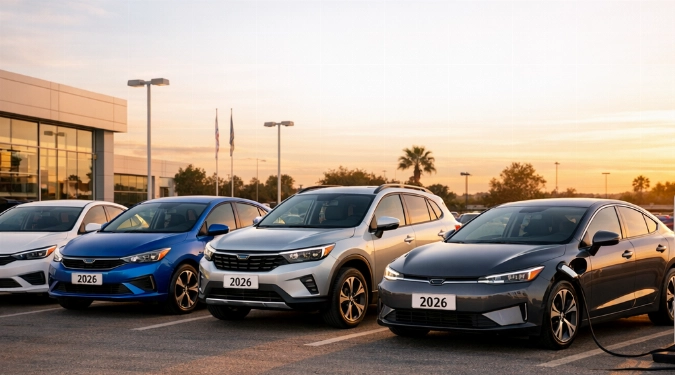
Car prices can feel like they’ve run off without you—but 2026 still has plenty of smart, popular picks that keep monthly costs and long-term ownership realistic. Below are specific models worth a serious look, plus the cost factors that usually decide whether a “good price” stays good after you drive it home.
What “Won’t Break The Bank” Really Means In 2026
For most shoppers, affordability is a mix of three numbers: the purchase price, the interest rate you qualify for, and what you’ll spend to run the car (fuel or charging, tires, insurance, routine maintenance). A model that’s priced reasonably but gulps fuel—or depreciates fast—can cost more over a few years than a slightly higher-priced alternative.
To keep your budget steady, compare trims with the safety tech you actually want, check insurance quotes before committing, and pay attention to warranty coverage (including hybrid/EV battery terms). This is where many Affortable Cars stand out: they’re designed to be easy to own, not just easy to advertise.
Popular Affordable Sedans And Hatchbacks For 2026
These models typically stay in demand because they’re efficient, practical, and widely supported by dealers and independent repair shops.
- Toyota Corolla (gas or hybrid): Often chosen for dependable daily driving and strong resale value; the hybrid variant can lower fuel spend for commuters.
- Honda Civic: A consistent pick for balanced handling, usable cabin space, and broad trim selection from simple to more premium.
- Mazda3: Known for an upscale feel for the class and sharp driving dynamics, while staying reasonable to maintain.
- Hyundai Elantra: Frequently competitive on features per trim, with warranties that can reduce worry for longer ownership timelines.
If you’re comparing an affortable auto loan, these mainstream sedans and hatchbacks may also qualify for better financing terms than niche models, simply because lenders understand their resale patterns.
Popular Small SUVs That Keep Costs Grounded
Small crossovers remain the “default family car” for a reason: easy entry, useful cargo room, and solid safety tech availability without jumping to a full-size price.
- Toyota RAV4: A high-demand compact SUV with strong resale; hybrid trims can reduce fuel costs for high-mileage drivers.
- Honda CR-V: Often praised for space efficiency and comfort, making it a practical long-haul choice.
- Mazda CX-5: A popular option for drivers who want a more engaging feel without stepping into luxury-brand upkeep.
- Subaru Crosstrek: A go-to for buyers who want available all-wheel drive and outdoors-friendly utility in a smaller footprint.
To keep an affortable suv truly budget-friendly, compare tire sizes (bigger wheels can mean pricier replacements), and confirm whether advanced driver-assistance features are standard or locked to higher trims.
Popular Electric Picks That Can Still Pencil Out
EV pricing and incentives vary by model year, trim, and eligibility rules, but several mainstream options can make sense if you can charge at home and drive enough miles to benefit from lower energy and maintenance costs.
- Tesla Model 3: Common on the road, widely supported for charging, and often compared for total operating cost rather than sticker alone.
- Hyundai Ioniq 5: Known for fast-charge capability and a roomy interior; real-world value depends on trim pricing and local charging access.
- Kia EV6: Similar strengths to the Ioniq 5 with a sportier vibe; check tire costs and insurance quotes, which can vary widely.
- Chevrolet Equinox EV: A newer-volume nameplate many shoppers watch for price positioning and practical crossover packaging.
The most affortable electric cars are usually the ones that match your daily routine: predictable charging, moderate road trips, and no need to overbuy range you won’t use.
Affordable Sporty Cars That Don’t Feel Like A Financial Dare
If you want something fun without the exotic-car cost curve, focus on models with strong reliability reputations, readily available parts, and reasonable tire/brake pricing.
- Mazda MX-5 Miata: Light, simple, and typically less costly to run than heavier performance cars.
- Toyota GR86 / Subaru BRZ: Rear-wheel-drive balance and a strong enthusiast community; plan for insurance and tire budgets.
- Ford Mustang EcoBoost: A way into classic sporty styling with lower running costs than higher-output trims, depending on usage.
With affortable sport cars, “cheap power” can get expensive if you ignore consumables. Pricing out tires, brake pads, and insurance before purchase is what keeps the fun sustainable.
How To Keep The Purchase Price And Payment Under Control
Real savings usually come from decisions you can control. Prioritize trims with the safety features you’ll keep long-term, consider certified pre-owned if the new-car pricing isn’t cooperating, and compare total cost of ownership—not just the number on the window. Also, test-drive competitors back-to-back; it’s the fastest way to avoid paying extra for features you don’t actually value.
FAQ
Should I Buy New Or Used In 2026?
New can make sense if incentives, warranty coverage, and interest rates narrow the gap with lightly used options. Used can still be the value move if you find a well-maintained example with documented service history and the price reflects mileage and condition.
Are Hybrids Usually Cheaper To Own Than Gas Cars?
Hybrids can lower fuel spend, especially for city-heavy driving, and many have strong resale value. The tradeoff is often a higher purchase price; comparing a few years of fuel costs and insurance can clarify which is cheaper for your specific commute.
Do EVs Always Save Money?
Not always. EVs often reduce routine maintenance (no oil changes) and can lower energy costs with home charging, but insurance, tires, and charging access matter. If you rely mostly on public fast charging, costs may be closer to efficient gas or hybrid models.
What’s The Fastest Way To Avoid Overpaying?
Shop multiple trims, get pre-approval so you can compare financing clearly, and review out-the-door costs item by item (taxes, fees, add-ons). Saying no to overpriced protection packages and accessories is often where the biggest immediate savings appear.
Conclusion
In 2026, “won’t break the bank” comes down to choosing popular models with sensible pricing, predictable running costs, and trims that fit your real life. Whether you land on a Corolla or Civic, a RAV4 or CR-V, an EV like the Model 3, or a sporty option like a Miata, the winning move is the same: compare total costs up front so the car stays affordable after the excitement fades.
Disclaimer: The information provided in this article is for educational and informational purposes only. It does not constitute professional advice. Readers should conduct their own research and consult with qualified professionals before making any decisions.