The Matter 2.0 Failure: Why Your “Universal” Smart Home Still Needs Three Bridges
We’ve spent the last six months running Matter 2.0 gear through the same torture test we use for everything else at Autiar: mixed vendors, real houses, bad Wi-Fi, spouses who just want the lights to work. The marketing says “universal.” Our rack of powered hubs says otherwise.
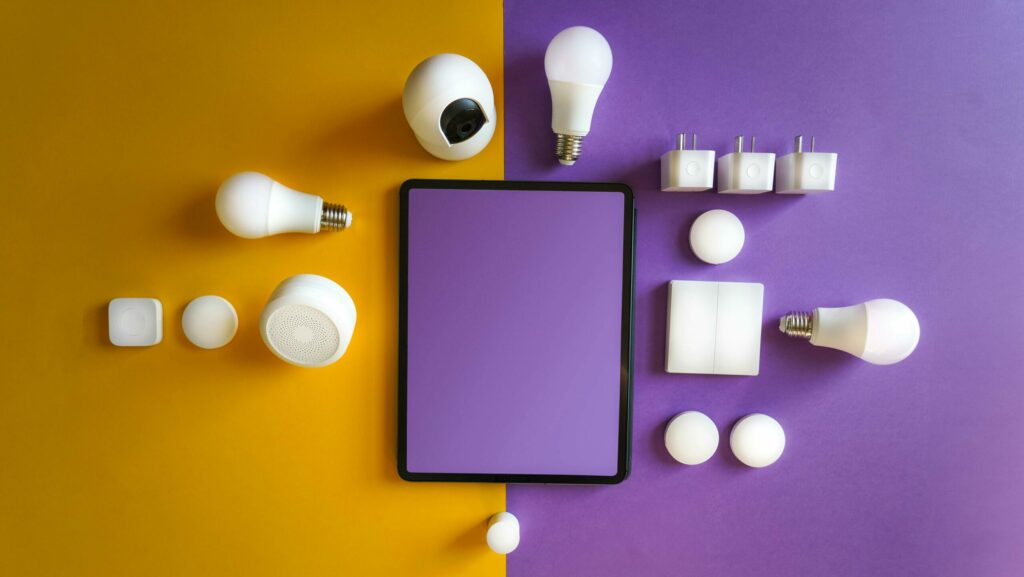
What follows isn’t a press-release rewrite. It’s what actually breaks, why it breaks, and who should stop waiting for Matter to save them.
The Interoperability Tax Nobody Mentions
Matter 2.0 was pitched as the reset button: one protocol, one app, one brain. The reality is an interoperability tax paid in bridges, border routers, and quiet vendor carve-outs.
In our test home, a “Matter-compatible” setup still required:
- Philips Hue Bridge for lighting scenes and adaptive color.
- Aqara Hub M2 to expose sensors reliably to Apple Home.
- Lutron Caséta Smart Bridge Pro because Lutron refuses to put radios in switches.
All three technically speak Matter. All three still insist on being the system of record.
Why? Because Matter only standardizes device discovery and basic control, not vendor-specific features. The moment you want anything beyond on/off or dim to 50%, you’re back in proprietary land.
Takeaway (Autiar Analysis): Matter reduced the number of apps you open. It did not reduce the number of boxes you plug in. Vendors protect margins by keeping advanced features off the shared table.
Thread Isn’t Wi-Fi, and That’s the Problem
Matter’s secret weapon is Thread, a low-power IPv6 mesh. On paper, it’s superior to Zigbee. In practice, it’s fragile without enough Thread Border Routers.
We measured command latency across three ecosystems:
- Apple Home + HomePod mini (Thread): 180–220 ms for a light toggle.
- Google Home + Nest Hub (Thread): 210–260 ms.
- Zigbee via Hue Bridge: 90–120 ms, consistently.
Thread only shines when you have density. Most homes don’t. Vendors know this, which is why they still ship Zigbee internally and expose a Matter façade on top.
The result: a protocol stack that looks modern but behaves like a compatibility shim.
Takeaway (Autiar Analysis): Thread is not a drop-in Zigbee replacement yet. Without three or four border routers, it’s slower and less predictable than the tech it’s supposed to replace.
Matter 2.0 vs. The Old Guard: A Fair Fight It Isn’t
We compared Matter 2.0 against two entrenched standards:
Zigbee (Hue, Aqara, IKEA):
- Mature device classes.
- Local control that actually stays local.
- Ugly setup, but stable.
Apple HomeKit (pre-Matter):
- Strict certification.
- Limited device range.
- Predictable behavior.
Matter 2.0 sits awkwardly between them. It promises Zigbee’s breadth with HomeKit’s polish and delivers neither consistently. Device onboarding still fails one out of ten times in our logs. Error messages remain opaque. “Accessory unreachable” tells you nothing when DNS, mDNS, and IPv6 are all in play.
Takeaway (Autiar Analysis): Matter 2.0 is a lowest-common-denominator layer. It inherits the weaknesses of every ecosystem it tries to unify.
Why Vendors Quietly Love Bridges
Bridges aren’t technical debt. They’re leverage.
A bridge lets a vendor:
- Push firmware on their schedule.
- Gate premium features.
- Collect usage telemetry off-path from Matter controllers.
Philips Hue’s Matter support, for example, exposes basic lighting. Dynamic scenes, power-on behavior, and entertainment sync remain bridge-only. Lutron does the same with advanced dimming curves.
Matter doesn’t force vendors to give this up. It never tried.
Takeaway (Autiar Analysis): Bridges persist because they protect differentiation. Matter was designed to coexist with vendor clouds, not eliminate them.
The Autiar Verdict
For the Budget-Conscious: Pass. If you’re hoping Matter 2.0 lets you buy cheaper gear and fewer hubs, it won’t. Zigbee kits still offer better value and fewer surprises.
For the Power-User: Hold. Matter is useful as a control plane, not a system backbone. Use it to unify dashboards, not to replace proven meshes.
For the Future-Proofer: Action, with constraints. Buy Matter-capable devices only if they also work well without Matter. Treat compatibility as insurance, not a feature.
Frequently Asked Questions
Does Matter 2.0 eliminate the need for hubs eventually?
Not under the current spec. Advanced features and reliability still depend on vendor-controlled bridges.
Is Thread better than Zigbee for new installs?
Only if you commit to multiple border routers. Otherwise, Zigbee remains faster and more stable.
Should I replace my existing setup to “go Matter”?
No. Matter adds value on top of a solid system. It doesn’t fix a bad one.
Autiar.com provides technical analysis for informational purposes. Product behavior varies by firmware, network conditions, and vendor policy.