Why F1 is radically different in 2026?
F1 in 2026 isn’t a simple rules update—it’s a radical shift in how cars create lap time. The new era is built around a rebalanced hybrid power unit with a much larger electrical contribution, the switch to fully sustainable fuel, and car dimensions targeted to be smaller and lighter for more agile racing. Aerodynamics also evolve toward stability in traffic rather than only maximum downforce, which can make overtaking attempts more realistic and reduce the “dirty air” penalty. These changes may reshuffle the competitive order as teams such as Mercedes, Ferrari, Redbull, and McLaren make early architecture decisions on packaging, cooling, and energy deployment that influence reliability and race strategy.
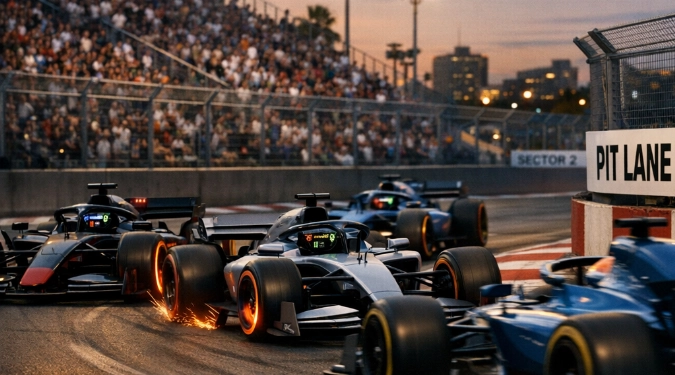
2026 isn’t a mild refresh for F1—it’s a reset of how the cars are powered, how energy is used, and how teams find lap time. The goal is simple: keep racing sharp while rewriting the technical playbook that defines performance.
A New Engine Philosophy Changes Everything
The headline shift is the 2026 power unit: a V6 turbo hybrid that leans far more on electrical output than today. The internal combustion engine and hybrid system still work together, but the rules push teams to extract more lap time from energy management rather than only from peak horsepower.
That matters because it changes how drivers deploy power on straights, how they defend, and how they time overtakes. It also reshapes reliability priorities and the way teams plan entire race stints—especially on circuits where traction zones and long full-throttle sections demand different energy strategies.
Electric Power Becomes A Bigger Part Of Lap Time
Under the 2026 framework, the electrical side is expected to contribute a much larger share of total performance. This forces engineers to treat harvesting and deployment like a core performance lever, not a supporting feature. You may see cars feeling “punchier” in certain phases and more sensitive to how and when energy is released.
For fans, that can make races easier to read in a good way: when a driver is building an attack, you’ll often be able to sense it in how they position the car before a straight, not just in raw acceleration. It also adds a new layer to radio messages and strategy calls that decide who has the better end-of-straight momentum.
Sustainable Fuel Is Not A Slogan In 2026
Another radical change is the move to fully sustainable fuel. It’s not about slowing the sport down; it’s about keeping combustion relevant while cutting the lifecycle emissions impact of the fuel itself. That is a technical challenge: the fuel must work with extreme cylinder pressures, temperatures, and turbo demands without sacrificing consistency.
This shift also expands innovation beyond the engine hardware. Fuel chemistry, combustion stability, and thermal efficiency become areas where a small gain can translate into meaningful race performance—exactly the kind of margins that decide championships.
Cars Are Being Re-Sized For Closer Racing
The 2026 cars are planned to be smaller and lighter than the current generation, with a focus on agility. That is a direct response to modern cars feeling bulky in tight battles and in slow-speed sequences. Smaller dimensions can improve racing lines into heavy braking zones and reduce the “single-file” effect on narrow tracks.
Even if outright Speed in a straight line remains dramatic, the bigger story is how quickly the car can change direction and how confidently it can follow another car through a sequence of corners. That is where racing quality is often won or lost.
Aerodynamics Will Be More About Control Than Maximum Downforce
A key 2026 idea is aero that behaves more consistently when cars are close. The FIA has been pushing regulations that reduce sensitivity to dirty air, and 2026 continues that direction. Expect design attention to shift from chasing absolute peak downforce to building stable platforms that work in traffic.
That should reward teams that can balance efficiency: enough downforce to attack in corners, low enough drag to defend on straights, and predictable handling when tucked under a rear wing. For viewers, it can mean more attempts that actually stick, not just one lap of pressure followed by overheating and backing off.
How Top Teams May Be Re-Shuffled By The New Rules
Big resets often scramble the order because every team must make correct early choices on packaging, cooling, and energy deployment. A team like Mercedes may benefit if its hybrid integration and systems engineering land on the right architecture quickly, while Ferrari could gain if combustion efficiency and operational execution align from the first races.
The same applies to Redbull as it adapts to a new power-unit era and optimizes aero efficiency around different performance constraints. And for McLaren, the opportunity is clear: if it nails the compromise between aero stability and energy use, the platform could be consistently strong across track types rather than only in certain conditions.
What Indian Fans Will Notice First On Race Weekends
For viewers following races on early mornings or late nights, the most obvious difference may be how attacks build: cars may appear to “stage” moves earlier as drivers manage energy for a decisive straight. You may also notice more variation between teams on when they look strongest—some peaking in traction zones, others in high-speed efficiency.
Beyond TV, the conversation around performance will get more technical but also more relatable: efficiency, harvesting, and deployment become the language of winning, not just top speed figures. That can make race analysis richer, even for newer fans.
FAQ
Will 2026 F1 Cars Be Faster Or Slower?
Lap times may vary by circuit. The regulations aim for competitive racing and efficiency, so some tracks could see similar performance while others shift depending on how the new aero and energy deployment behave in real conditions.
Is 2026 Mainly About The Engine?
No. The power unit is central, but the radical change is the full package: sustainable fuel, heavier reliance on electrical power, smaller car targets, and aero choices meant to work better in traffic.
Will Overtaking Improve In 2026?
It can, because the rules continue to target more stable following and more usable performance in traffic. Whether it improves a lot will depend on how teams interpret the aero rules and how closely matched they are.
Why Does The FIA Keep Changing The Rules?
Rule changes are used to steer safety, costs, competition, and technical direction. 2026 is a coordinated push toward efficiency and sustainability while trying to protect the racing spectacle.
Conclusion
F1 is radically different in 2026 because the sport is changing what “performance” means: more electrical contribution, sustainable fuel, smaller cars, and aero focused on racing in close quarters. The result should be a grid where technical choices reshuffle competitiveness and where energy strategy becomes as visible—and decisive—as raw pace.
Disclaimer: The information provided in this article is for educational and informational purposes only. It does not constitute professional advice. Readers should conduct their own research and consult with qualified professionals before making any decisions.